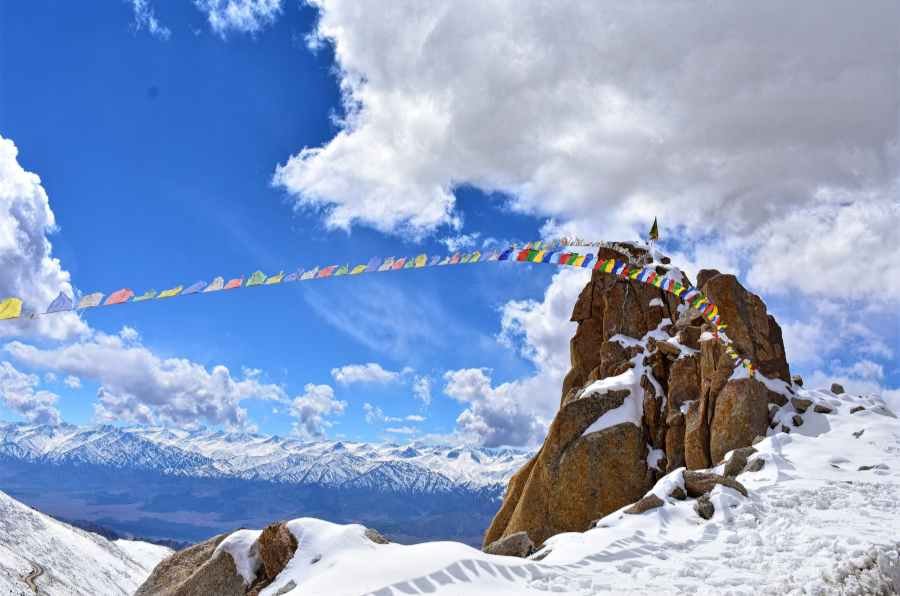
Reaching Ladakh is a dream for adventure enthusiasts, culture seekers, and nature lovers alike. Nestled in the high Himalayas, Ladakh is famed for its dramatic landscapes, ancient monasteries, and vibrant local culture. However, given its remote location and sensitive border status, traveling to this beautiful region requires proper planning, understanding of transport options, documentation, and permits. This comprehensive guide will walk you through all you need to know about how to reach Ladakh, the documents required to enter, and permits essential for your journey in 2026.
How to Reach Ladakh
Ladakh can be reached primarily by air and road, each offering unique experiences and challenges.
By Air:
The fastest and most convenient way to reach Ladakh is by air. Leh Kushok Bakula Rimpochee Airport is Ladakh’s only airport and serves as a gateway to the region. Regular direct flights operate from major Indian cities such as Delhi, Srinagar, and Jammu. The airport is operational year-round, but flight schedules may vary with seasons and weather conditions. Flying is especially recommended for those with limited time or discomfort with long road journeys and high altitude.
By Road:
For those longing for an adventurous journey, Ladakh is accessible by two major highways that offer incredible scenic views but are open only for part of the year due to snow and weather constraints:
- Manali-Leh Highway: This is a legendary route admired for its rugged beauty and mountain passes like Rohtang La and Baralacha La. It usually opens from June through September. The journey covers about 480 kilometers and takes around 2 days, with travelers typically acclimatizing overnight in Sarchu or Keylong.
- Srinagar-Leh Highway: This highway connects Ladakh to the Kashmir Valley and is slightly less challenging in terms of altitude compared to the Manali route. It is open roughly from May to October. It spans about 420 kilometers and passes colonies such as Kargil. Many travelers prefer this route for its historical and cultural significance.
Traveling by road requires proper acclimatization since both highways cross high mountain passes exceeding 4,000 meters. It is advised to enter Leh and rest for at least 24-48 hours before embarking on treks or further excursions to mitigate altitude sickness risks.
Documents Needed to Enter Ladakh
Entering Ladakh requires standard travel documents plus some region-specific requirements.
- For Indian Nationals: A valid government-issued photo identity card like Aadhaar Card, Voter ID, Passport, or Driving License is essential. Police and permit authorities often check IDs.
- For Foreign Nationals: A valid passport and an Indian visa are mandatory. The visa should be valid for the duration of your travel.
- Additional Recommendations: It is wise to carry multiple copies of your identification and permit documents during your travel within Ladakh.
Permits Required in Ladakh
Ladakh’s proximity to international borders with China and Pakistan means it is designated as a protected and restricted area, necessitating specific permits for tourists.
Inner Line Permit (ILP):
The Inner Line Permit is compulsory for all non-residents traveling to Ladakh, irrespective of nationality. It allows travel to areas within Leh, Nubra Valley, Pangong Lake, and Kargil. ILP can be obtained easily online through official government portals or in person at various government offices, including the DC office and tourist police stations in Leh. The process requires submitting your ID, travel itinerary, and passport photographs.
Protected Area Permit (PAP):
Foreign nationals need an additional Protected Area Permit to visit sensitive border areas near Pangong Lake, Nubra Valley, Tso Moriri, and other high-security zones. PAP regulations are strict, and the permit can only be acquired through authorized agencies, travel operators, or Ladakh Autonomous Hill Development Council offices in Leh. Visitors must follow strict guidelines and are often required to stay with registered tour groups or guides.
How to Apply for Permits
- ILP and PAP can be applied online on official government portals like the Ladakh Autonomous Hill Development Council website or Indian government travel sites.
- Applicants need to fill out requisite forms with personal details, travel plans, and passport-sized photographs.
- Permits are usually issued within 24-48 hours and printed copies or digital permits should be carried at all times.
- Tourists often find it convenient to have travel operators facilitate the process, especially for PAP.
Tips for a Hassle-Free Journey
- Carry all permits and ID proofs in multiple copies.
- Acclimatize sufficiently in Leh before traveling to high-altitude areas.
- Respect local customs and regulations; restricted travel can be penalized.
- Follow advice from local authorities regarding weather and security.
- Opt for authorized guides or tour operators to navigate permits and logistics smoothly.
Official Websites for Permits and Visa
- Inner Line Permit and Protected Area Permit application: Ladakh Autonomous Hill Development Council (LAHDC)
- Indian Visa application: Indian Visa Online
- Government of India’s e-Permits portal: Citizen Services – Government of India
Ladakh, with its otherworldly landscapes and rich cultural heritage, is one of India’s most enchanting destinations. Whether you choose to fly in for speed or drive for adventure, knowing the documentation and permits required will pave the way for a hassle-free, memorable expedition. Prepare well in advance for permits like the Inner Line Permit and Protected Area Permit, carry proper identification, and acclimatize to the high altitude. With these preparations, your trip to Ladakh will be safe, legally compliant, and deeply rewarding.